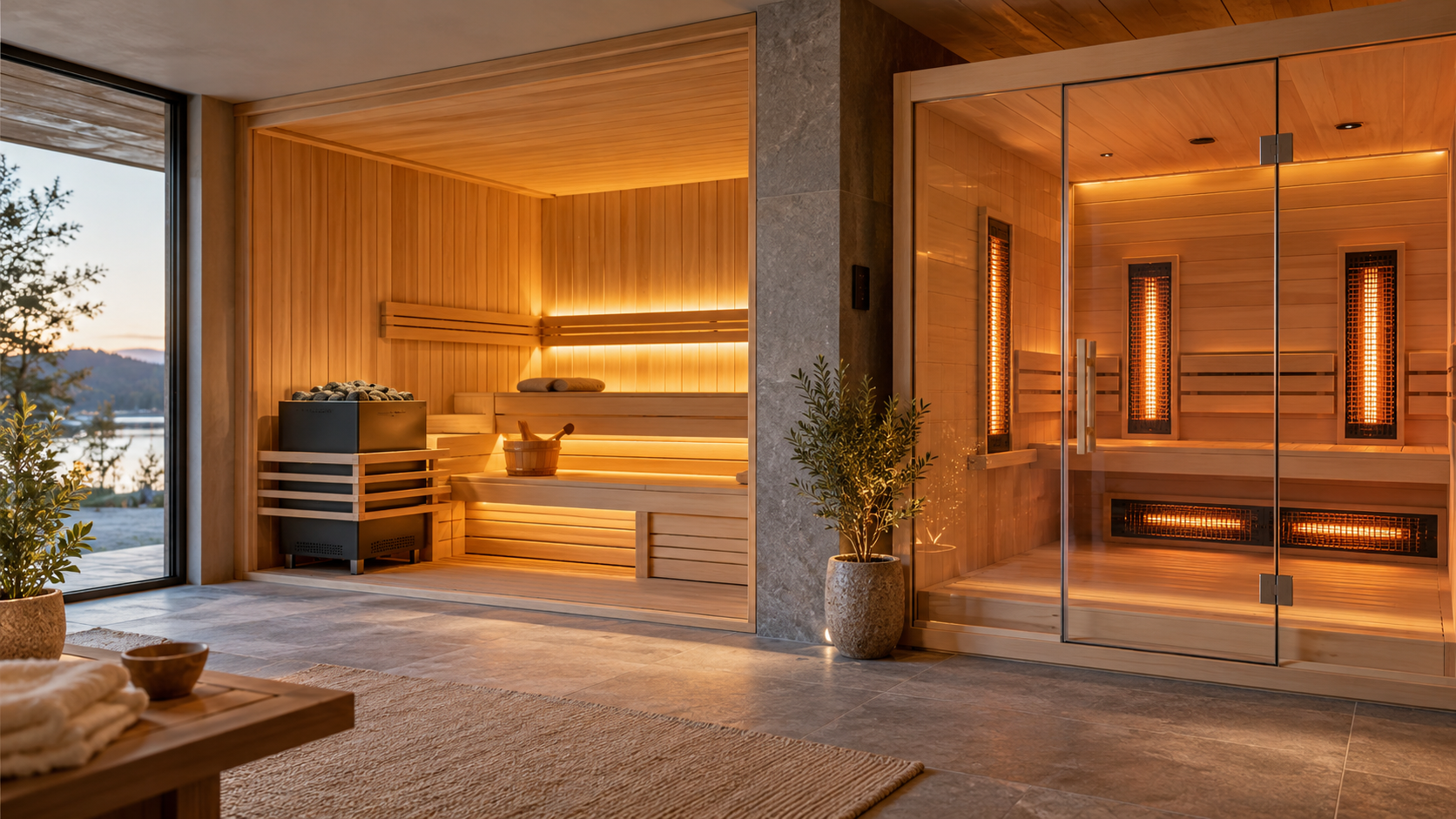
A useful sauna temperature is not simply the highest number the controls can reach. Heating technology, humidity, bench position, thermometer placement, session length and personal heat tolerance all affect how the room feels.
That is why two people can enjoy different settings in the same sauna, and why the number used in a traditional Finnish sauna should not be copied directly into an infrared cabin. Start with the correct range for the sauna, then adjust gradually until the heat feels comfortably intense rather than difficult to endure.
What Is the Best Sauna Temperature by Type?
The following ranges provide a practical comparison. They are not universal prescriptions. Always follow the operating instructions and temperature limits supplied with the sauna you are using.
| Sauna type | Typical air-temperature range | How the heat feels | Main adjustment |
|---|---|---|---|
| Traditional sauna | About 150°F to 194°F | Hot surrounding air, with optional bursts of humidity when water is used on an approved heater | Temperature, bench level and permitted water on the stones |
| Infrared sauna | About 110°F to 150°F | Radiant warmth at a lower surrounding-air temperature | Temperature, warm-up time and session length |
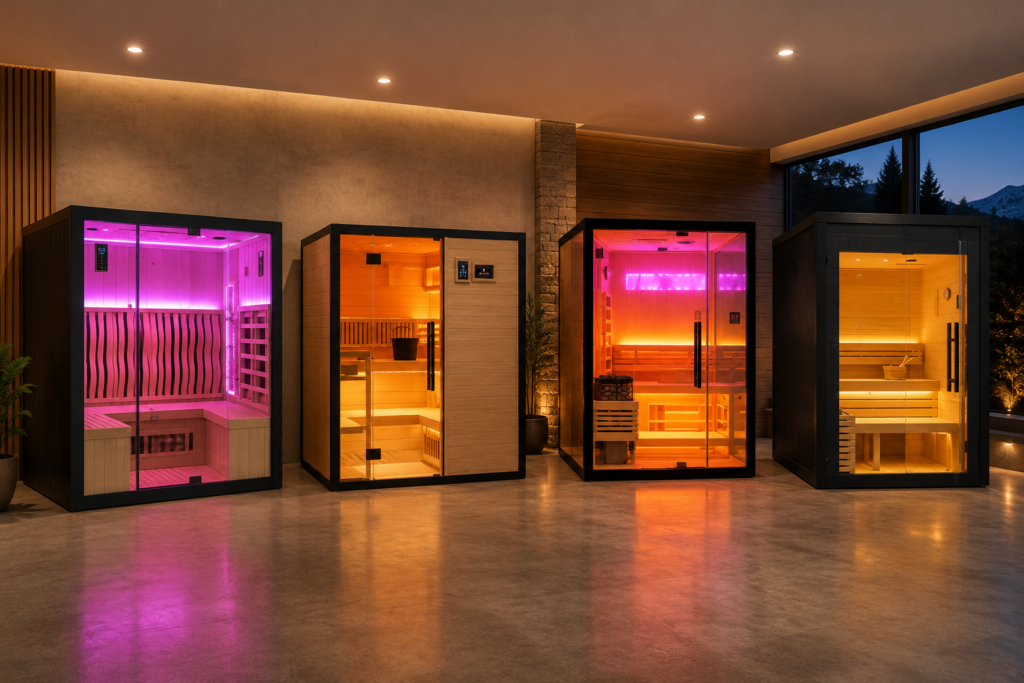
| Hybrid sauna | Depends on the selected heating mode | Traditional heat, infrared warmth or an approved combination | Heating mode and model-specific operating instructions |
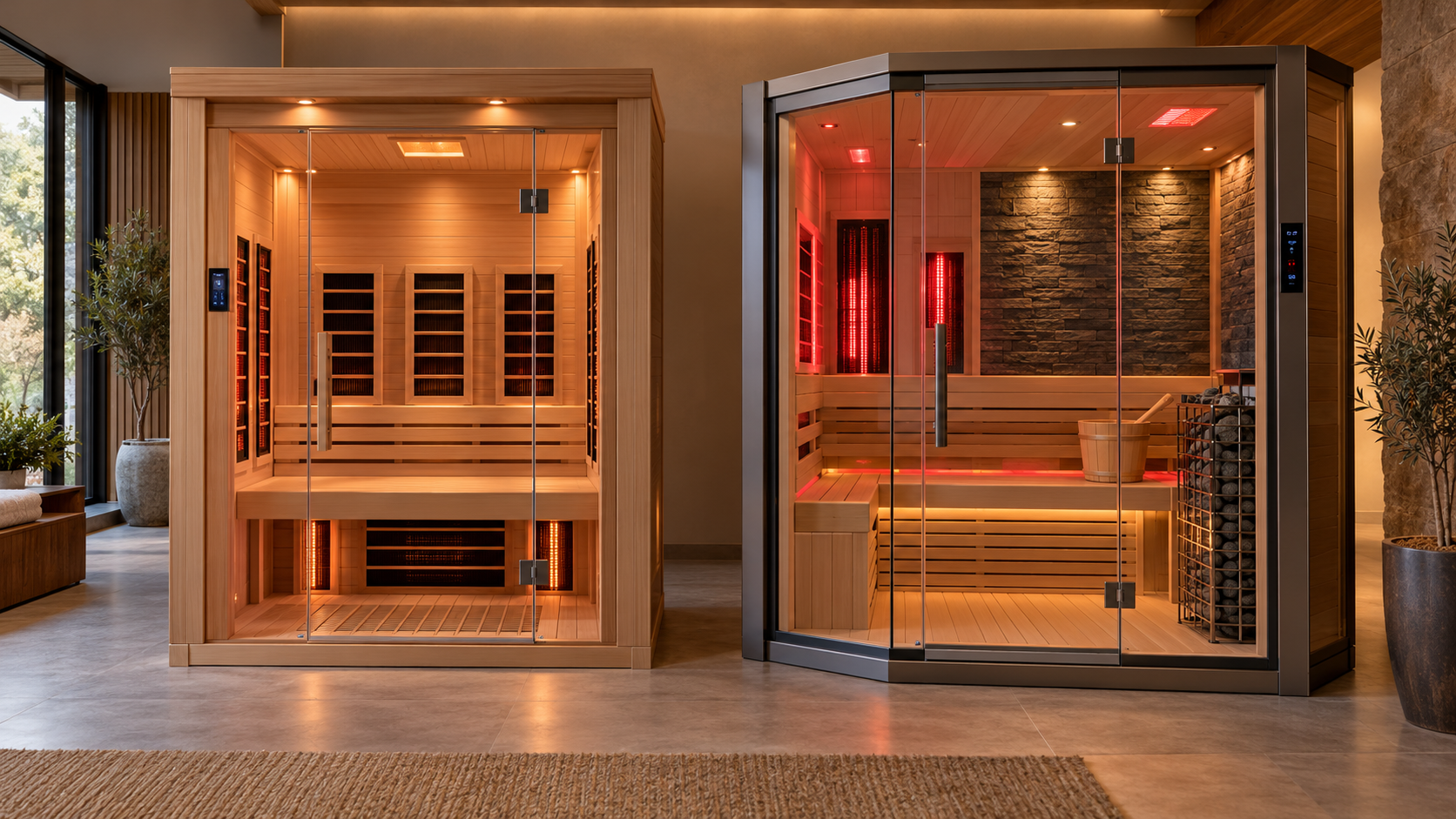
These broad ranges align with the current Icelandic Saunas comparison of traditional saunas and infrared saunas. Cleveland Clinic similarly describes traditional saunas as commonly operating from 150°F to 195°F and infrared saunas at lower temperatures. Individual controls and limits vary, so the documentation for the selected model remains the final reference.
What Temperature Should a Traditional Sauna Be?
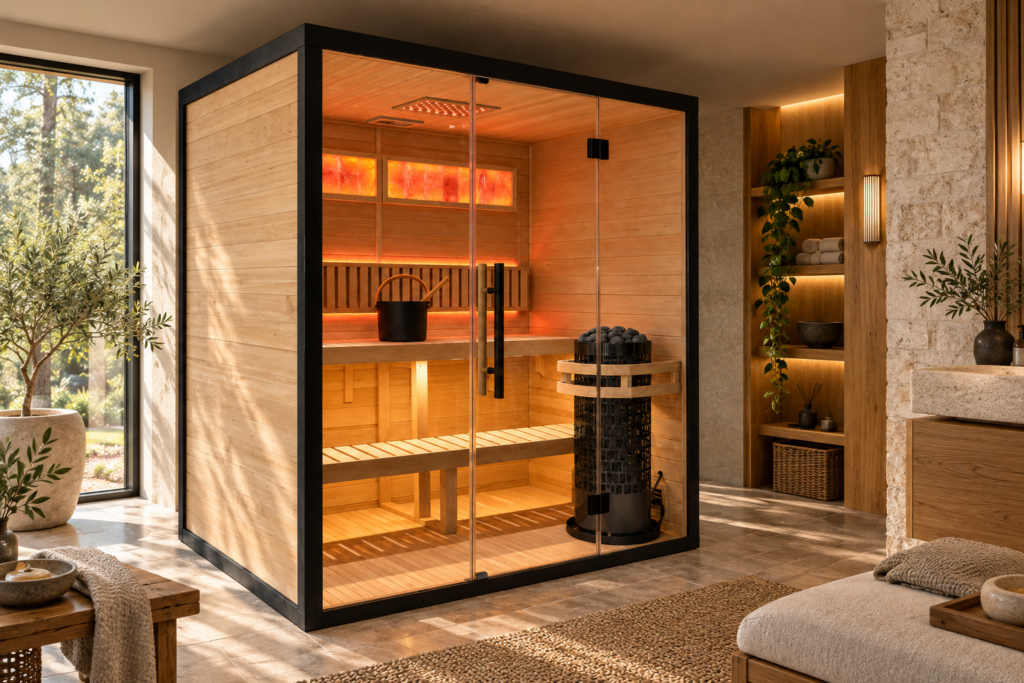
A traditional sauna commonly operates between approximately 150°F and 194°F. It heats the surrounding air and, when the heater is designed for it, heated stones allow the user to introduce brief waves of humidity known as löyly.
The current TimberSteel 430 is one verified example from the Icelandic traditional collection. Its published specifications describe a three-person Canadian Hemlock and aluminum-frame sauna with a 6 kW traditional rock heater, Thermo Aspen benches and accents, a bucket and ladle, and a thermo-hygrometer.
Temperature alone does not define the traditional sauna experience. A lower setting with more humidity can feel more intense than a hotter but drier room. The upper bench will also feel hotter than a lower bench because warm air rises. This gives users several ways to adjust the experience without immediately changing the control setting.
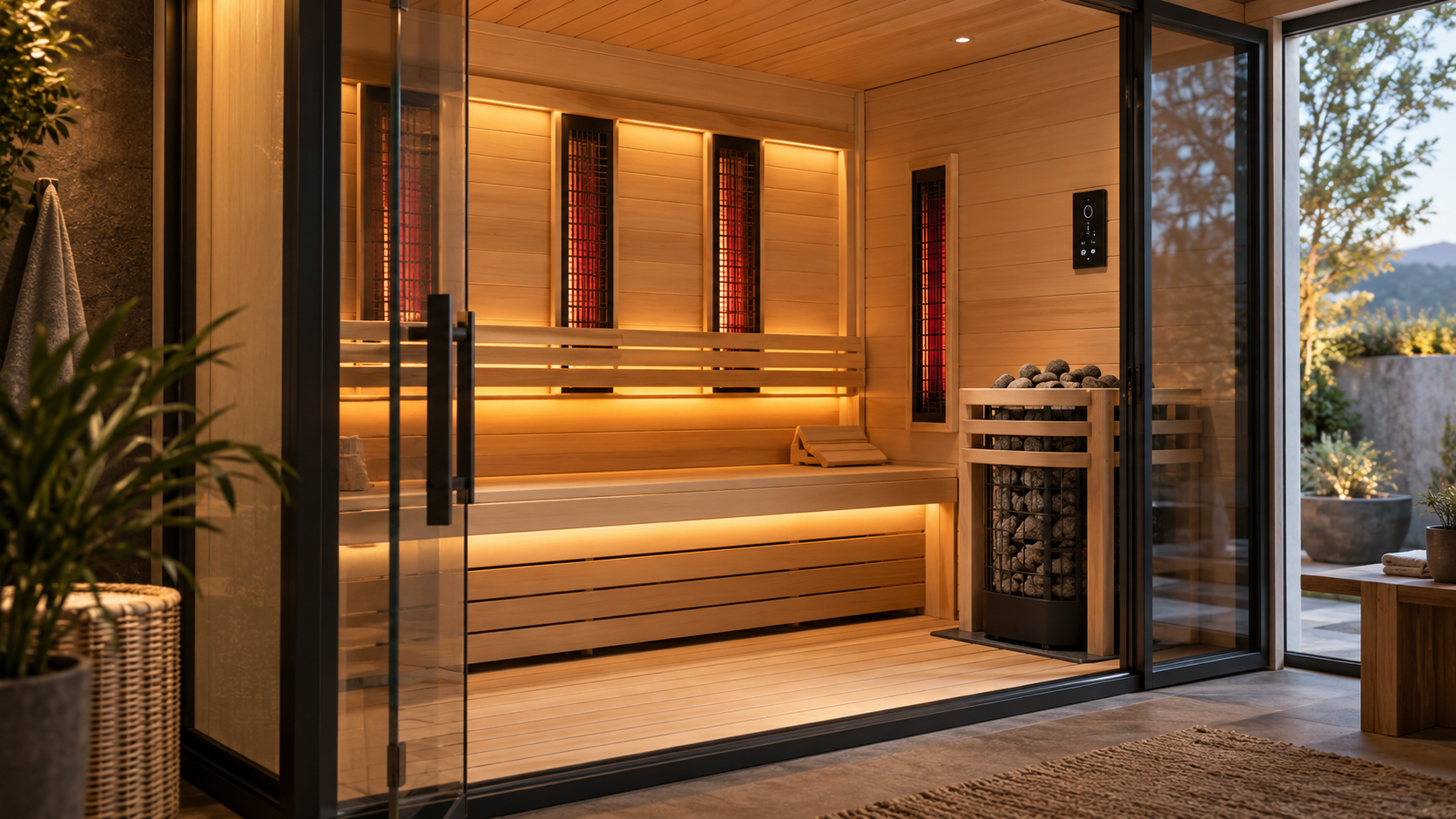
Does Research Prove That 174°F Is the Best Sauna Temperature?
No. The frequently quoted 174°F figure is useful research context, but it is not a universal prescription.
A major University of Eastern Finland cohort study published in JAMA Internal Medicine reported a mean sauna temperature of 78.9°C, which is approximately 174°F, among 2,315 middle-aged Finnish men. The study examined associations between sauna habits and long-term health outcomes. It did not randomly assign people to different temperatures or establish 174°F as the single best setting for every user.
The researchers also cautioned that findings from hot Finnish sauna bathing could not automatically be applied to steam rooms, hot tubs or sauna types operating under different conditions. In other words, 174°F describes the average environment in that population; it should not override comfort, health considerations or the instructions for another sauna technology.
What Temperature Should an Infrared Sauna Be?
An infrared sauna generally operates at a lower air temperature than a traditional sauna. Icelandic infrared models are presented within a range of approximately 110°F to 150°F. Cleveland Clinic describes a common infrared range of about 110°F to 135°F, demonstrating why the exact setting should be matched to the particular sauna rather than borrowed from a generic chart.
The current Valo 420 is a verified two-person infrared model made with Canadian Hemlock. Its published specifications list six low-EMF infrared mica carbon heater panels, in-floor heat, a reading light and a two-light valance.
The lower number does not mean the sauna is failing to work. Infrared emitters deliver radiant energy that warms the user more directly, so the surrounding air does not need to reach a traditional-sauna temperature. Mayo Clinic also notes that infrared saunas create heat at lower temperatures than conventional saunas.
If you are new to infrared heat, begin with the model’s lower permitted settings and a short session. Let the emitters warm up as directed, notice how you feel and increase one variable at a time. Raising both temperature and session length at once makes it harder to identify the setting that actually feels best.
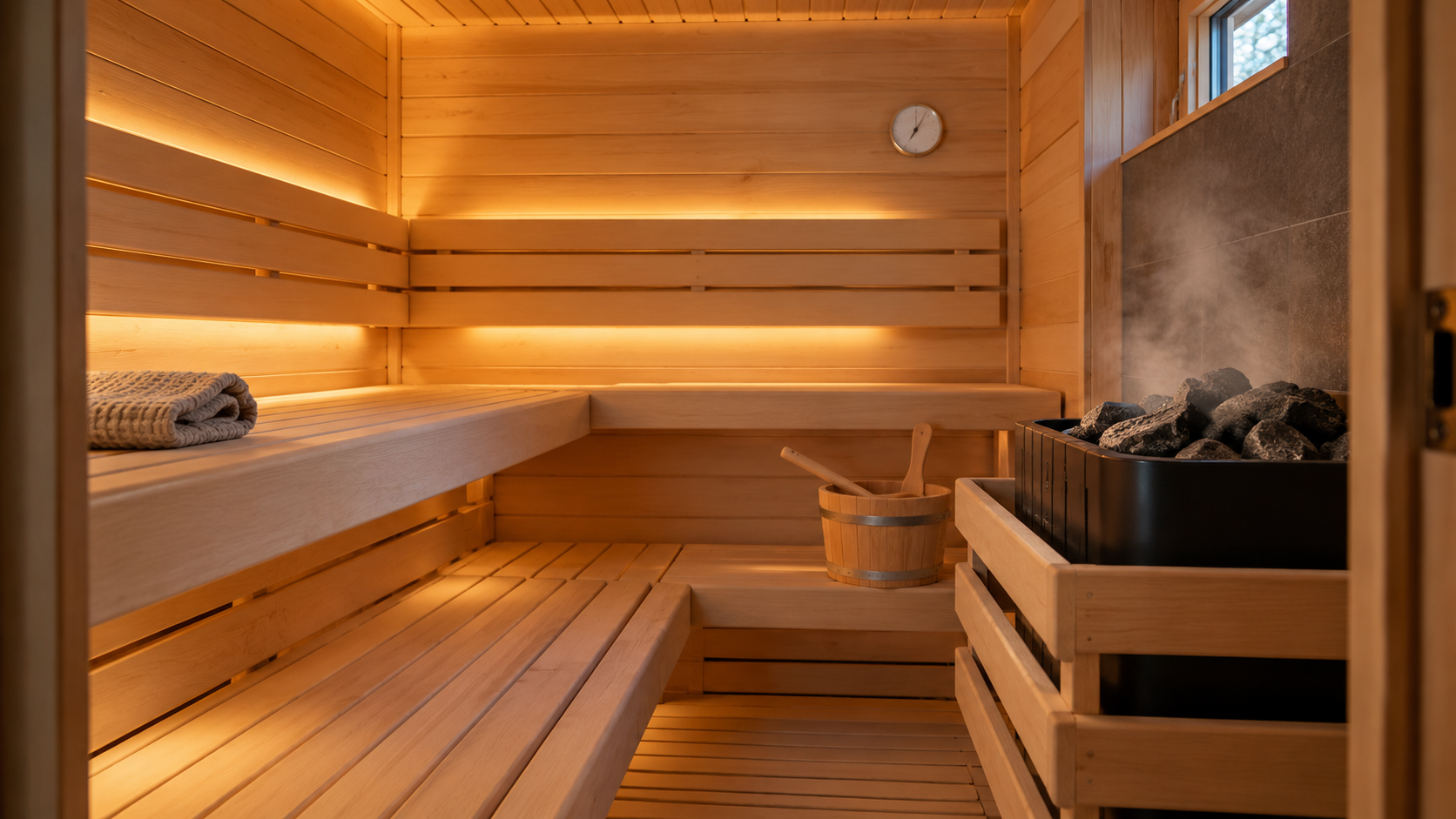
What Temperature Should a Hybrid Sauna Be?
A hybrid sauna does not have one temperature that represents every session. It combines traditional and infrared heating options, so the appropriate setting depends on which system is active and how the specific model is designed to operate.
The current Fusion Combo 720 is a verified two-to-three-person hybrid model. Icelandic Saunas lists full-spectrum infrared and traditional rock heat, Canadian Hemlock and an aluminum frame, a heat-radiating slate wall, red light therapy, and separate published electrical requirements for the infrared and rock systems.
When using traditional mode, think in terms of the traditional-sauna range and experience. When using infrared mode, use the lower infrared range. If a model permits both systems to operate together, follow that model’s controls and operating instructions rather than trying to average the two temperature ranges.
This flexibility is one reason a hybrid sauna can work well for a household with different heat preferences. One person may prefer enveloping traditional heat and löyly, while another may prefer gentler radiant warmth.
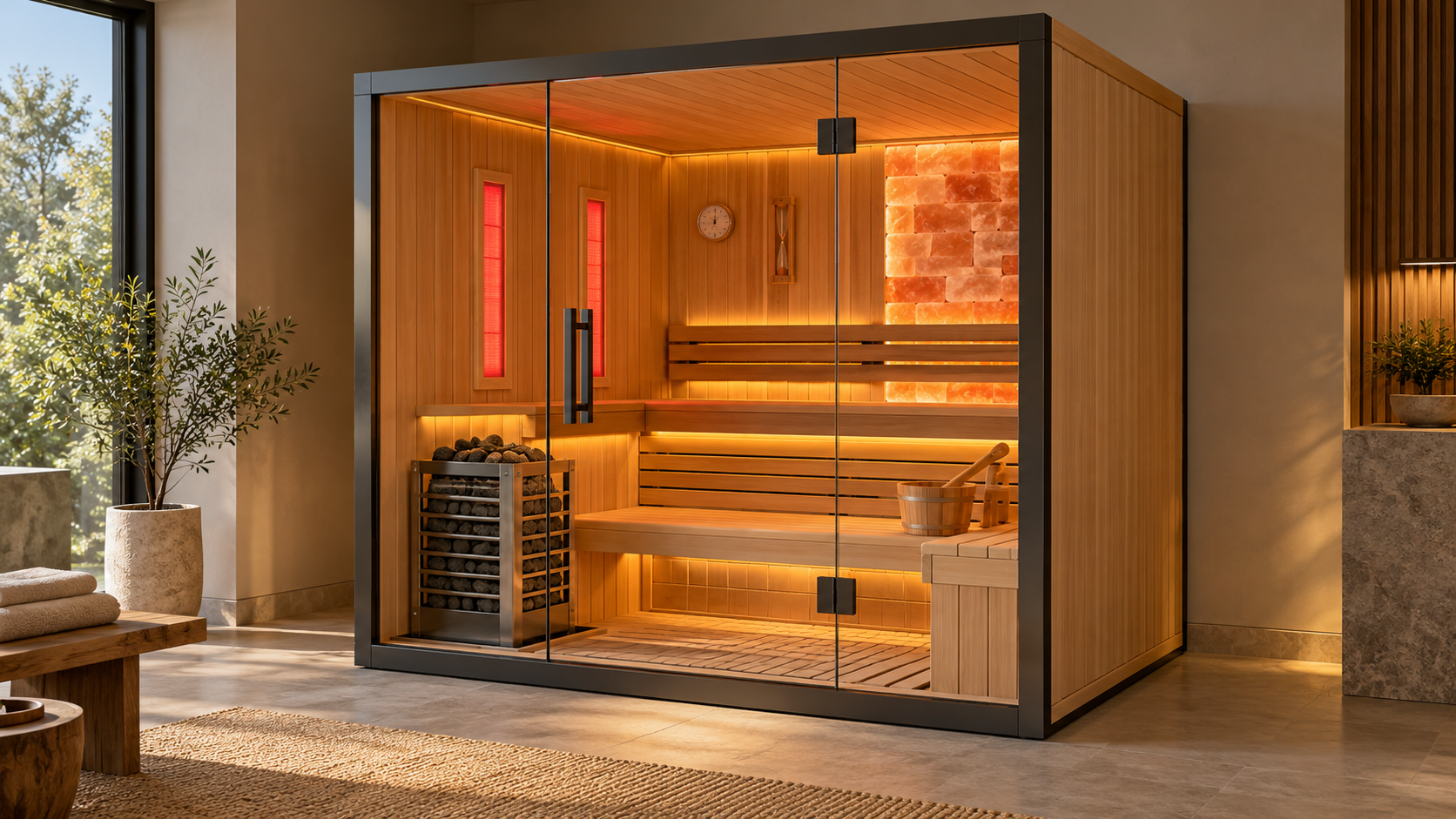
What Is a Good Sauna Temperature for Beginners?
A beginner should start near the lower end of the permitted range for the specific sauna and keep the first sessions short. There is no need to reproduce an experienced user’s setting on the first day.
- Confirm whether the sauna is traditional, infrared or hybrid.
- Read the model’s operating instructions and temperature limits.
- Choose a conservative setting within the permitted range.
- Use a lower bench in a traditional sauna if the upper level feels too intense.
- Increase either temperature or time gradually, rather than increasing both together.
- Leave immediately if you feel dizzy, weak, short of breath, nauseated or otherwise unwell.
Cleveland Clinic’s sauna guidance recommends following the sauna’s instructions, staying hydrated and starting with approximately five minutes if you are new before increasing time gradually. It also advises people with relevant health conditions, pregnancies, medications or heat-related concerns to consult a healthcare professional before use.
Why Can the Same Temperature Feel Different?
The thermometer shows only one part of the experience. Several variables can make the same displayed temperature feel mild one day and intense the next.
Humidity and Löyly
Water placed on properly heated stones creates a temporary rise in humidity. Your thermometer may change very little while the heat feels much stronger. Add water only when the heater and manufacturer instructions permit it. Infrared emitters are not sauna stones and should never be treated as though they are.
Bench Height
Heat collects higher in the room. Moving between a lower and upper bench can noticeably change the experience even when the control setting remains unchanged. A lower bench can be a practical starting point for a new traditional-sauna user.
Thermometer and Sensor Position
A sensor near the ceiling, a wall thermometer and the air around your seated body may not report identical conditions. Compare settings consistently instead of assuming that every thermometer in every sauna is directly interchangeable.
Session Length and Personal Readiness
Temperature and time work together. A hotter or more humid session may call for less time, while infrared users may prefer a longer session at a lower air temperature when their model permits it. Hydration, recent exercise, alcohol, illness, medications and individual heat tolerance can also change how a session feels.
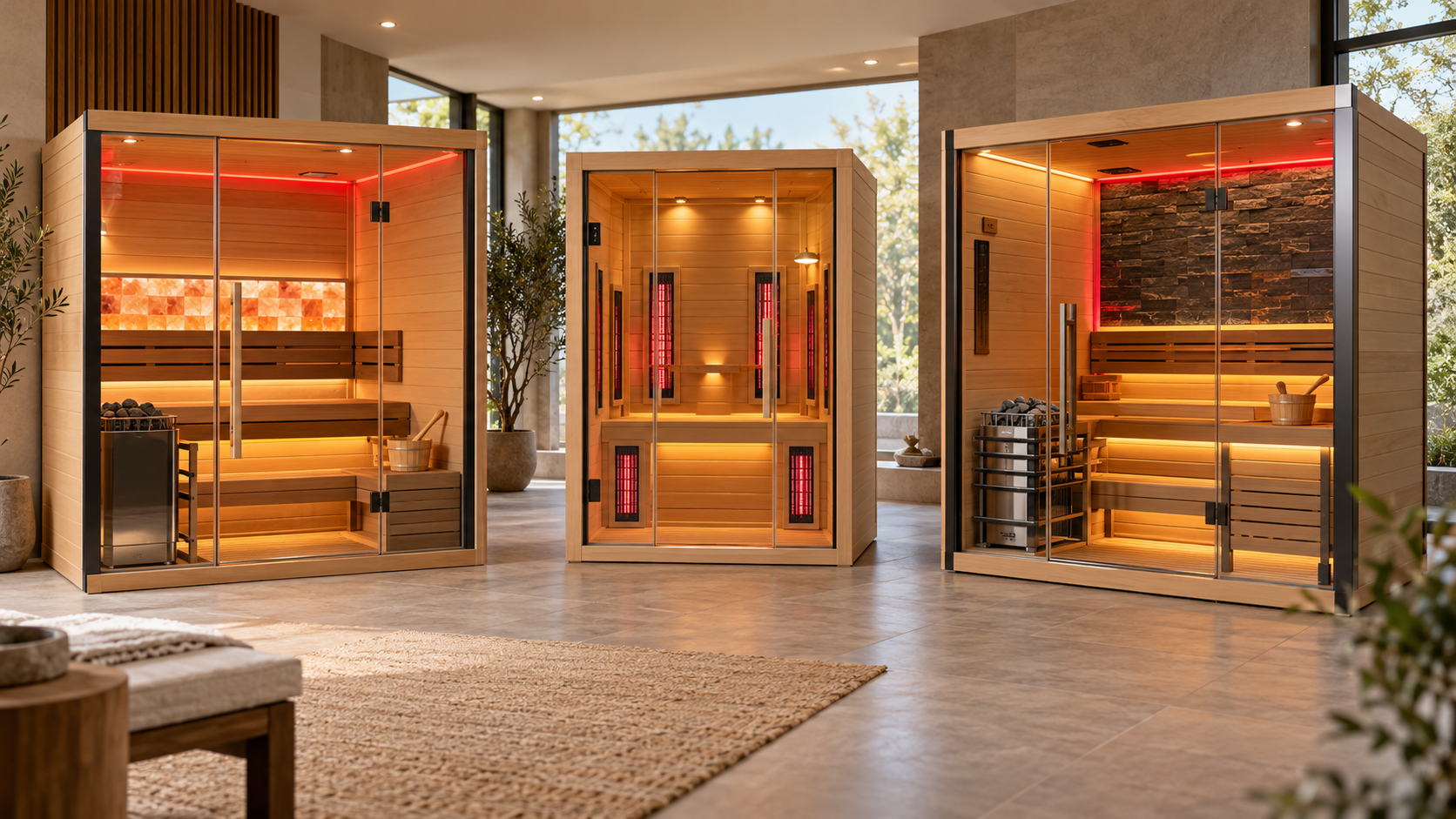
For help building a repeatable routine, read How Often Should You Use a Sauna? and review the Icelandic Saunas usage FAQs.
How Do You Find Your Ideal Sauna Temperature?
The ideal sauna temperature is the setting that creates a satisfying heat experience you can use comfortably and consistently. Use a simple process rather than chasing one supposedly perfect number.
- Begin with the sauna type. Traditional and infrared temperatures are not interchangeable.
- Follow the model documentation. Controls, sensors, heaters and permitted operating modes differ.
- Start conservatively. Use a lower temperature and shorter session while learning how your body responds.
- Change one factor at a time. Adjust temperature, duration, humidity or bench level separately.
- Prioritize comfort over records. A hotter session is not automatically a better session.
- Keep a repeatable routine. Once you find a comfortable combination, use it as your baseline and adjust only when needed.
Choose the Heat Experience You Will Look Forward to Using
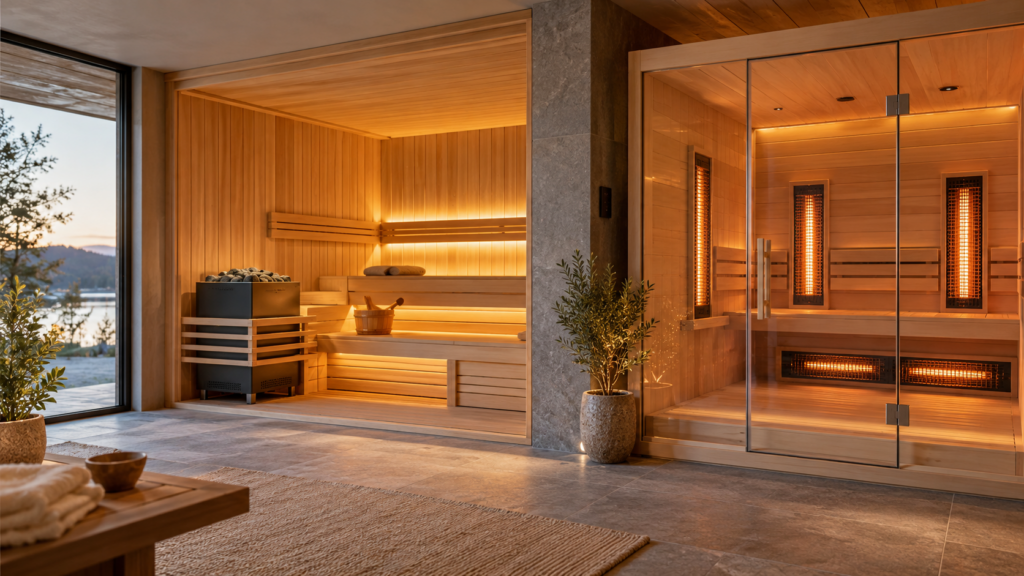
So, what temperature should a sauna be? Traditional saunas commonly provide their characteristic experience around 150°F to 194°F. Infrared saunas create radiant warmth at lower air temperatures, commonly around 110°F to 150°F. Hybrid saunas let you choose between heating styles according to the approved capabilities of the model.
The best choice is not the hottest available setting. It is the sauna type and temperature you can enjoy comfortably, use consistently and operate according to its instructions.
Explore the complete Icelandic Saunas collection to compare traditional, infrared, hybrid and outdoor models. When you are ready to discuss your preferred heat experience, space and model options, talk with an Icelandic Saunas expert.
This article provides general educational information and is not medical advice. Follow the instructions supplied with your sauna and consult a qualified healthcare professional about personal medical or heat-exposure concerns.