

Direct answer: To use a sauna, hydrate first, preheat it according to the model instructions, sit on a clean towel, and begin with about five comfortable minutes. Breathe normally, leave before you feel unwell, cool down gradually, and drink water afterward. Beginners can add time over several sessions, but sauna bathing should never become an endurance test.
Learning how to use a sauna is less about following one perfect ritual and more about understanding heat, comfort, and your own response. Traditional, infrared, and hybrid saunas feel different, so the correct controls, warm-up time, and use of water depend on the sauna in front of you.
This beginner’s guide gives you a practical sequence for before, during, and after a session. Always use the owner manual for the exact model as the final authority, particularly for heater operation, temperature limits, ventilation, electrical controls, cleaning, and whether water is permitted on the stones.
How Should You Prepare Before Using a Sauna?
A comfortable session begins before the room gets hot. Give yourself enough time that you will not feel tempted to rush, skip the cooldown, or stay longer simply because the sauna took time to preheat.
- Check that sauna use is appropriate for you. If you are pregnant, take medication that affects blood pressure, fluid balance, alertness, or heat tolerance, or have a cardiovascular, neurological, blood-pressure, or other relevant condition, ask a qualified healthcare professional for individual advice.
- Do not use a sauna after drinking alcohol. Heat, dehydration, and impaired judgment are a poor combination. The American Heart Association specifically advises against mixing alcohol and sauna use.
- Drink water normally before the session. Arrive hydrated rather than trying to drink a large amount at the last moment. Skip the session if you are already dehydrated, feverish, ill, or unusually fatigued.
- Shower and dry off. A quick shower removes lotions, sweat, and residue. Dry skin also begins perspiring more predictably than wet skin.
- Remove metal jewelry and unnecessary electronics. Metal can become uncomfortable in a hot room, and heat or moisture can damage devices.
- Bring a clean towel. Use it between your body and the bench. Wear a clean swimsuit or sauna wrap when appropriate for the setting and sauna instructions.
Keep plain water available outside the cabin where heat cannot damage the bottle. Avoid bringing glass into or around the sauna.
How to Use a Sauna Step by Step
1. Identify the Sauna Type
Before touching the controls, determine whether you are using a traditional, infrared, or hybrid sauna.
- Traditional sauna: A heater warms the room and sauna stones. Water may be used on approved stones when the manufacturer permits it.
- Infrared sauna: Radiant emitters warm the body while the surrounding air generally stays cooler. Do not pour water on infrared emitters, walls, controls, or other components.
- Hybrid sauna: The cabin contains traditional and infrared heating technologies. Confirm which modes can operate separately or together and which electrical circuits and controls serve each system.
If you are in a hotel, gym, studio, or another person’s home, ask for instructions instead of guessing.
2. Preheat the Sauna According to Its Instructions
Traditional saunas usually need more time to heat the room and stones. Infrared models often feel ready sooner because their emitters deliver radiant warmth directly. A hybrid model’s warm-up depends on the mode you select.
Icelandic Saunas describes its traditional rooms as generally operating from about 150°F to 194°F and its infrared rooms from about 110°F to 150°F. Those are broad product-category ranges, not targets every beginner must reach. Start near the lower end of the permitted range and follow the controls and manual for your model.
Do not cover sensors, block ventilation openings, or try to speed preheating with an unauthorized device. Never place towels or other objects on a heater or guard.
3. Begin With a Short, Comfortable Round
Enter carefully, close the door, and sit on your towel. A lower bench is usually cooler than a higher bench in a traditional sauna, making it a useful starting point. Keep both feet supported and stand slowly when you are ready to leave.
Cleveland Clinic’s sauna guidance recommends that new users may begin with about five minutes and add time gradually. It also advises keeping typical sessions around 15 to 20 minutes. Treat those numbers as outer guidance, not a goal. Temperature, humidity, sauna type, health, and heat experience all affect how a session feels.
Breathe normally and let the heat build without forcing a stretch, workout, or breath-holding practice. Sauna is passive heat exposure; it is not the place to test your tolerance.
4. Add Löyly Only in an Approved Traditional Sauna
Löyly is the burst of steam and perceived heat created when a small amount of water meets hot sauna stones. Use it only when the heater and owner manual allow water on the stones.
Fill the approved bucket with clean water and use the ladle supplied for the sauna. Start with a small amount, keep your face and body away from the rising steam, and allow the sensation to settle before considering more. Never pour water into an electrical compartment or onto exposed heating elements, controls, infrared emitters, or unapproved surfaces.
The Finnish Sauna Society’s beginner guidance also emphasizes respecting other bathers. In a shared sauna, ask before adding water and keep the experience comfortable for the whole room.

5. Leave Before You Feel Unwell
Do not wait for a timer if your body is telling you to leave. Exit promptly if you feel dizzy, weak, nauseated, confused, short of breath, faint, unusually uncomfortable, or unable to cool yourself. Move carefully because standing quickly after heat exposure can make lightheadedness worse.
Chest pain, fainting, severe breathing difficulty, confusion, or symptoms that do not improve with cooling require prompt medical attention.
6. Cool Down Gradually
Sit in a comfortable room, take a lukewarm or cool shower, or step into fresh air in a safe setting. Drink water and allow your breathing and temperature to settle. A cold plunge is optional, not a required part of authentic sauna use.
Sudden movement between extreme heat and cold changes the demands on the cardiovascular system. People with heart or blood-pressure concerns should ask their healthcare professional before combining sauna with cold immersion.
7. Decide Whether You Want Another Round
Some traditional sauna routines include several short heat-and-cool cycles. A second round is optional. Beginners can finish after one comfortable round and still have a complete sauna experience.
Only return after you feel settled and hydrated. Make the next round equal to or gentler than the first. More rounds and more minutes are not automatically more beneficial.
How Does Sauna Use Change by Heat Type?
How to Use a Traditional Sauna
Preheat the room and stones using the approved controls. Begin at a moderate setting and use a lower bench if you want gentler heat. Add water to the stones only when the heater instructions permit it, and use plain water unless the manufacturer explicitly approves another product and method.
The TimberSteel 430 is a current three-person Icelandic traditional model with a 6 kW rock heater, bucket and ladle, thermo-hygrometer, and sand timer. Those features support the classic routine, but the model’s manual and controls still determine correct operation.
How to Use an Infrared Sauna
Set the cabin within the range permitted by the model and allow the emitters to warm. Infrared feels different from high-temperature traditional air, so judge the experience by comfort rather than waiting for the room to feel identical to a Finnish-style sauna.
Sit with your body positioned normally in relation to the emitters. Do not lean objects against them, cover them, or add water. The Icelandic Aura 620 is a current two-person far-infrared model with carbon wall, calf, and floor emitters. Readers in Pool & Spa Depot’s regional market can also review the Aura 620 at Pool & Spa Depot. Follow the model’s specified controls and owner guidance rather than applying instructions written for a traditional rock heater.
How to Use a Hybrid Sauna
A hybrid cabin gives you more than one heating experience, but it also makes reading the instructions more important. For your first session, choose one mode and learn how it feels. Use water only with the approved traditional stones and never on the infrared components.
The Icelandic Fusion Combo 720 combines full-spectrum infrared and traditional rock heat in a two-to-three-person cabin. It is also listed in the Pool & Spa Depot sauna collection. Its infrared and rock systems have separate electrical requirements and controls, so operation and installation should follow the current product documents.
How Long and How Often Should Beginners Use a Sauna?
Start with approximately five comfortable minutes. If you feel well during and after several sessions, increase gradually toward 10 to 15 minutes. There is no prize for reaching 20 minutes, and there is no need to stay until you are exhausted.
For frequency, one or two short sessions per week gives a beginner time to learn their response. You can then build a routine that remains enjoyable and leaves you feeling restored. The Icelandic Saunas guide to how often you should use a sauna explains how duration, frequency, and heat tolerance work together.
Leave more time between sessions when you are learning, using a hotter setting, adding humidity, or returning after illness or a long break. Skip sauna when you are feverish, dehydrated, or not feeling well.
What Should You Do After a Sauna?
Continue cooling until you feel comfortable and steady. Drink water, shower if desired, dry off, and change into clean clothing. Give yourself a few quiet minutes before driving, exercising again, or moving into another intense heat or cold activity.
Once the sauna has cooled enough for care, follow the owner’s manual. Remove used towels, wipe perspiration from benches with an approved method, and allow the cabin to dry or ventilate as directed. Do not spray cleaning products onto heaters, emitters, sensors, controls, or unfinished wood unless the manufacturer specifically allows it.
Who Should Ask a Healthcare Professional Before Sauna Use?
People with heart disease, uncontrolled or symptomatic blood-pressure problems, a history of fainting, heat intolerance, certain neurological conditions, or medications that affect temperature regulation, fluid balance, blood pressure, or alertness should seek personalized advice.
Pregnancy guidance varies by individual situation and healthcare system. The American College of Obstetricians and Gynecologists advises against sauna and hot-tub use early in pregnancy because of concern about raising core temperature. Ask your obstetric clinician before using a sauna while pregnant or trying to become pregnant.
Sauna may be a valued wellness ritual, but it is not a treatment for a medical condition. Claims about detoxification, weight loss, immunity, pain relief, or disease prevention should not replace medical care or be used to push the session beyond your comfort.
Choose a Sauna You Will Feel Comfortable Using
Knowing how to use a sauna becomes easier when the heat type fits your preferences. Traditional sauna offers hotter surrounding air and optional löyly. Infrared provides radiant warmth at a lower room temperature. Hybrid models let a household choose between both experiences when operated according to the model instructions.
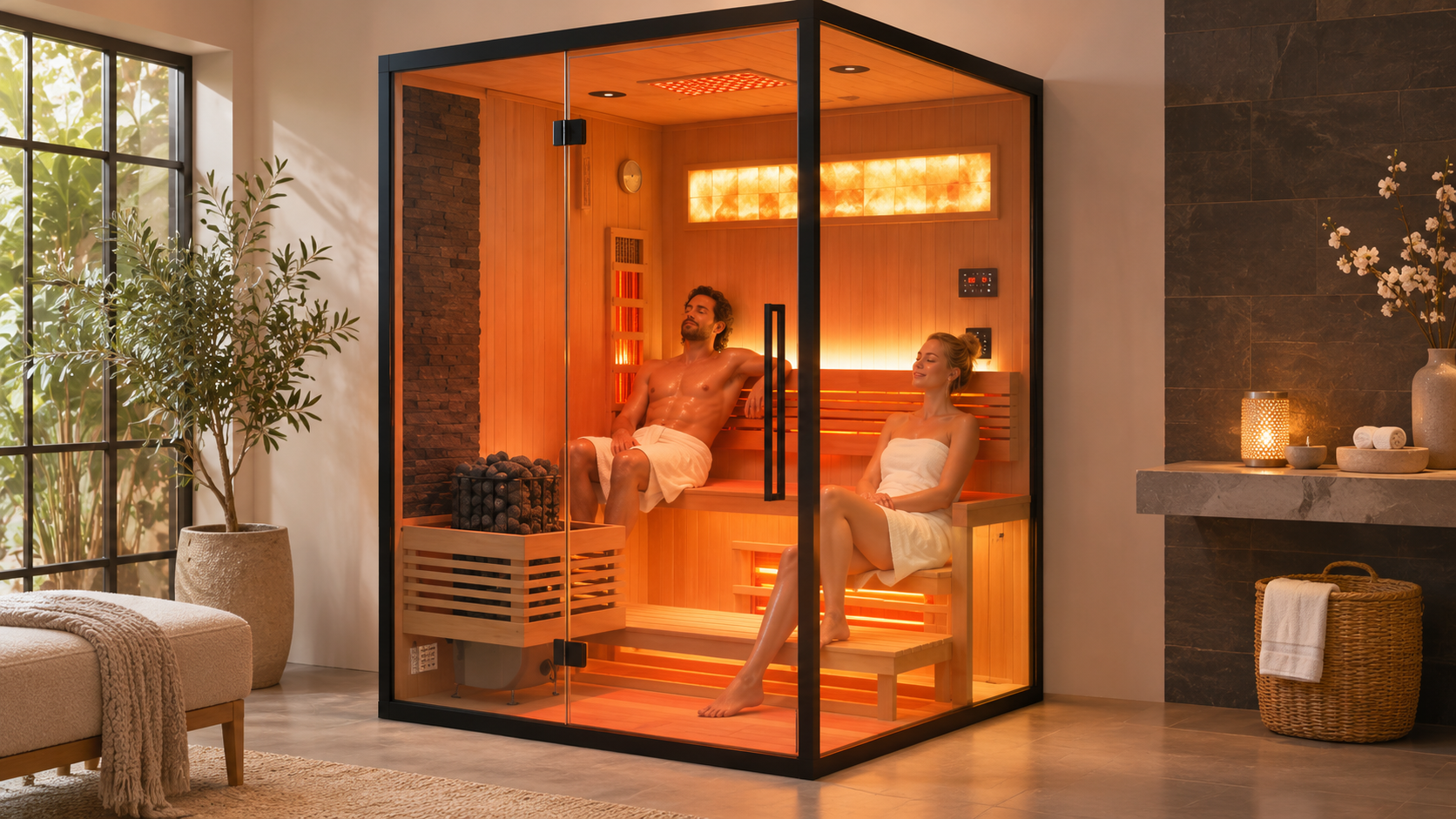
Explore the complete Icelandic Saunas collection to compare infrared, traditional, hybrid, and outdoor models, including the Husavik 520 outdoor traditional sauna. For a research-focused look at what sauna can and cannot be expected to do, read Sauna Benefits: What Does the Research Actually Say?
Homeowners in Tennessee, Kentucky, and Alabama can also browse saunas at Pool & Spa Depot or use the Pool & Spa Depot store locator to find a nearby showroom.
Need help choosing the right heat experience? Talk with a Sauna Expert about the current models, product documents, and dealer options available for your space.